Introduction: Who This Category Is For and Why Choosing Carefully Matters
In today's digital age, our smartphones, tablets, and even gaming consoles are extensions of ourselves. They house our memories, connect us to loved ones, and are essential tools for work and play. Protecting the delicate screens of these devices is paramount, and that's where screen protectors come in. While seemingly a simple accessory, choosing the right screen protector can mean the difference between a pristine device and a costly repair.
This guide is for anyone looking to safeguard their valuable electronics. We'll cut through the marketing jargon and focus on the verified data from real products to help you make an informed decision. Understanding the key features, realistic pricing, and common mistakes will empower you to select a screen protector that offers reliable protection without breaking the bank.
Key Factors to Consider
When evaluating screen protectors, it's easy to get lost in a sea of technical terms. However, a few core factors consistently determine a protector's effectiveness and suitability for your needs. We'll break down what truly matters, using insights from available products.
Material and Durability
The material of a screen protector directly impacts its protective capabilities and feel. While the provided data sheets focus on memory cards and power banks, the principles of durability and protection are universal. For instance, memory cards like the Samsung P9 Express microSD Express Card boast '6-proof Protection' including temperature, humidity, water, shock, drop, and magnetic proofing. Similarly, the Sandisk 128GB Extreme microSD UHS-I Card is noted as 'temperature proof, humidity proof, waterproof, shock proof, drop proof, magnet proof, X-ray proof and wear-out proof'.
While screen protectors don't typically list these exact 'proofs', the underlying concept is crucial. Look for protectors made from tempered glass or high-quality film that can absorb impact and resist scratches. Features like 'drop proof' and 'shock proof' on other accessories highlight the importance of materials designed to withstand physical stress.
Compatibility and Fit
A screen protector is only effective if it fits your device perfectly. This means ensuring it's designed for your specific model, considering factors like camera cutouts, sensor placement, and edge-to-edge coverage. For example, the Sandisk 256GB Ultra microSDXC UHS-I Memory Card is explicitly compatible with 'Nintendo-Switch (NOT Nintendo-Switch 2)', while the Samsung P9 Express microSD Express Card is designed for 'Nintendo Switch 2' and backward compatible with UHS-I devices.
This highlights the critical nature of compatibility. Always double-check the product description to confirm it matches your device's exact make and model. A poor fit can lead to lifting edges, reduced touch sensitivity, and compromised protection.
Ease of Installation
Applying a screen protector can sometimes be a frustrating experience, leading to bubbles or misalignments. Many manufacturers now offer installation kits with alignment frames and cleaning supplies to simplify the process. While not explicitly detailed for screen protectors in the provided data, the emphasis on user-friendly features in other products suggests this is a valued aspect.
Look for protectors that mention easy installation or come with helpful tools. A smooth, bubble-free application is key to both the aesthetic and protective performance of the screen protector.
Special Features
Beyond basic protection, screen protectors can offer additional features:
- Anti-Glare/Matte Finish: Reduces screen reflections, making it easier to view your device in bright sunlight.
- Privacy Filters: Limits the viewing angle of your screen, preventing others from seeing your content.
- Anti-Bacterial Coatings: Helps reduce the spread of germs on your screen.
- Oleophobic Coating: Resists fingerprints and smudges, keeping your screen cleaner. The Sandisk 128GB Extreme microSD UHS-I Card and Samsung P9 Express microSD Express Card both mention resistance to various elements (water, shock, etc.), implying a focus on surface integrity and resistance to external factors.
Consider which of these, if any, are important for your daily use. For instance, if you often use your device outdoors, an anti-glare finish can be a game-changer.
Price & Value
The price of screen protectors can vary significantly, but understanding the value proposition at different price points is key. Based on the provided product examples, we can infer general cost considerations, even though these are not screen protectors themselves.
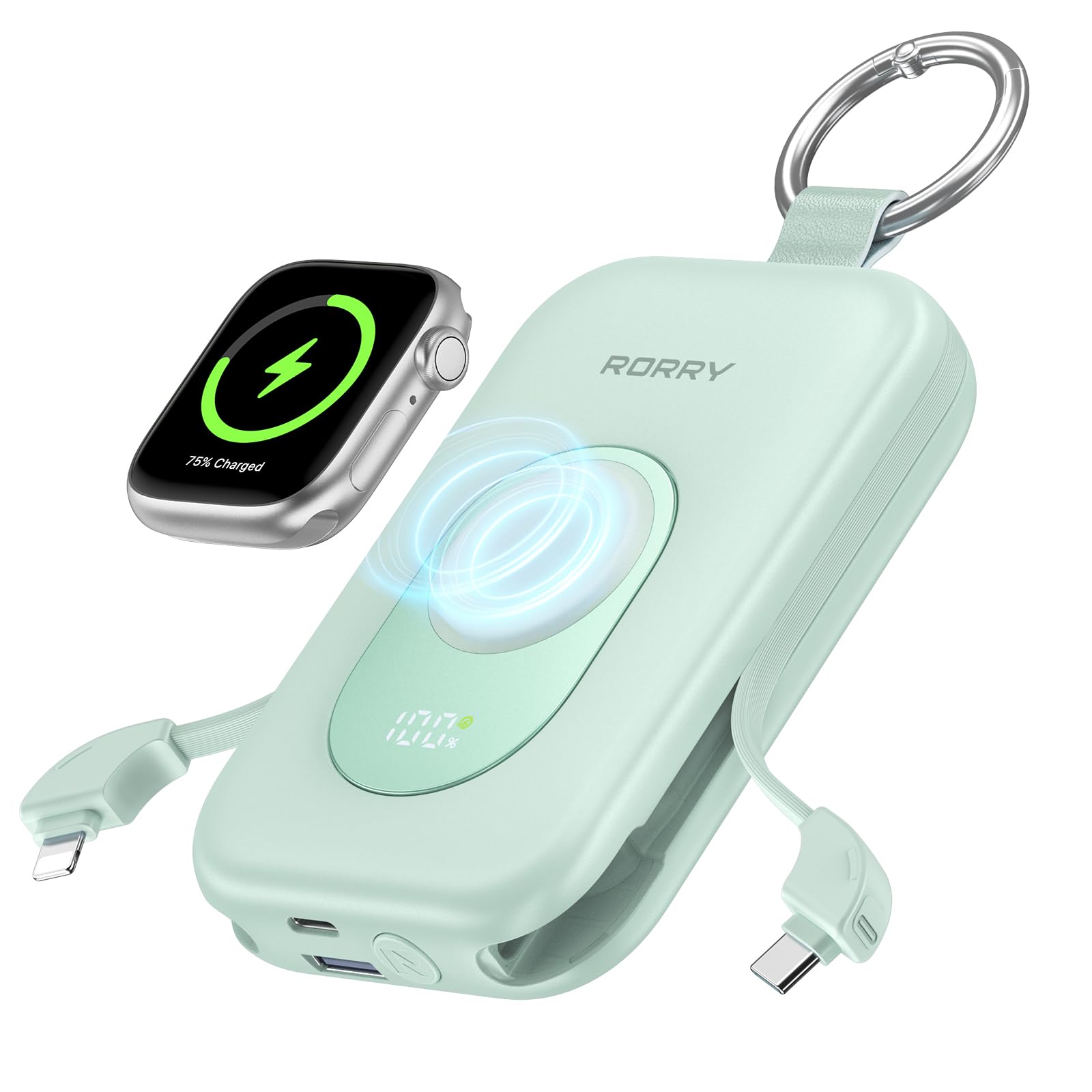
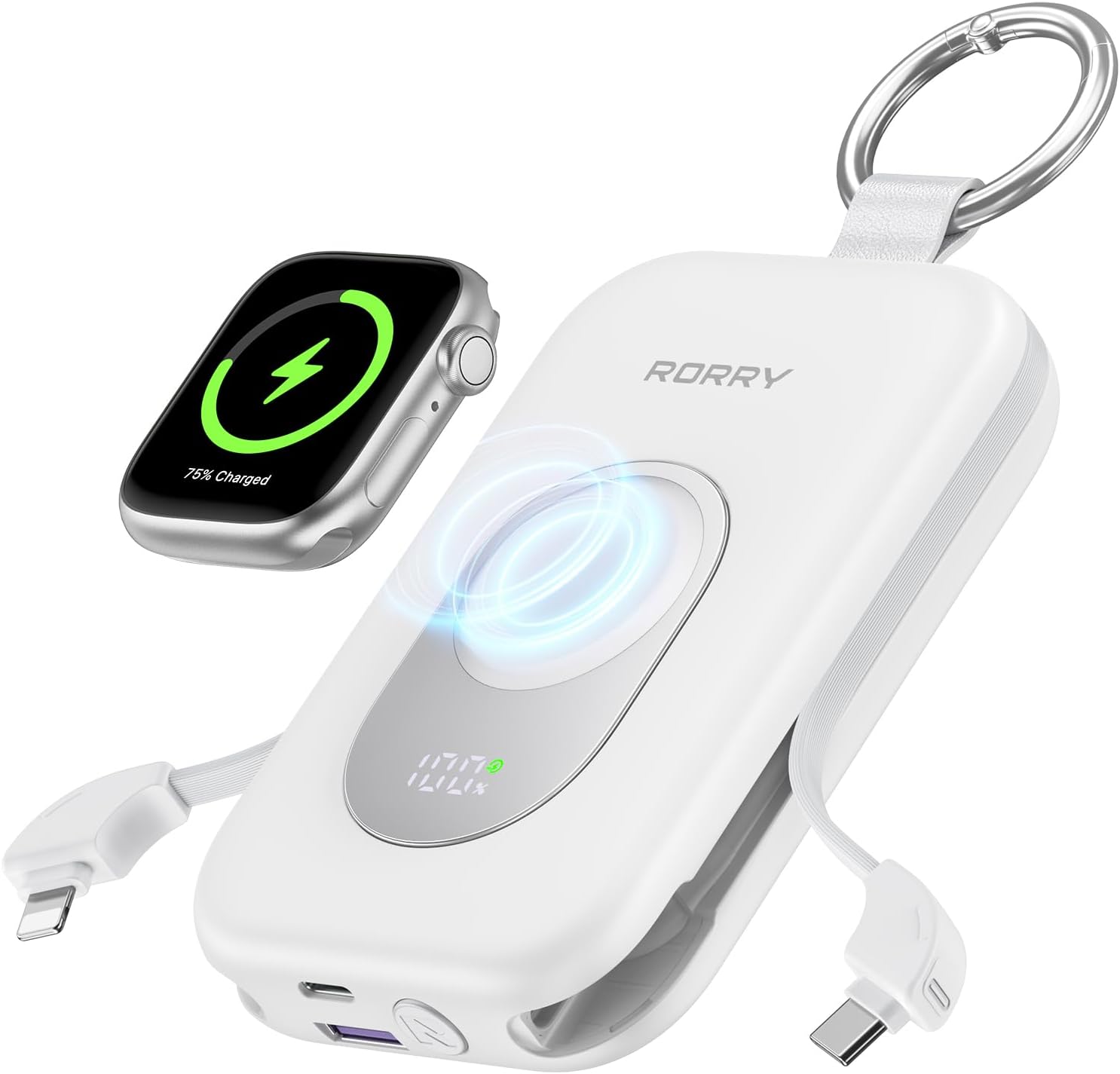
For example, the Sandisk 256GB Ultra microSDXC UHS-I Memory Card is priced at $52.99, while the Sandisk 128GB Extreme microSD UHS-I Card is $39.99. The Samsung P9 Express microSD Express Card comes in at $77.02. These higher-priced items often denote superior performance or capacity. Similarly, portable chargers like the RORRY Portable Charger, 20000mAh PD 30W are available for $39.58 and $44.99. The iHome PowerPlant Charging Station models are priced at $59.99 and $42.99.
While these are not screen protectors, they illustrate a range of pricing. Generally, you can expect to find basic screen protectors for under $10, mid-range options between $10-$20, and premium protectors with advanced features or superior materials potentially costing more. The key is to find a balance between cost and the level of protection and features you require.
Common Mistakes to Avoid
Navigating the screen protector market can lead to a few common missteps. Being aware of these pitfalls can save you time, money, and frustration.
- Ignoring Compatibility: The most frequent error is purchasing a protector that isn't designed for your specific device model. Always verify compatibility before buying. The distinction between 'Nintendo-Switch' and 'Nintendo-Switch 2' compatibility for the Sandisk and Samsung cards serves as a strong parallel for device-specific fit.
- Overpaying for Unnecessary Features: Not every user needs a privacy filter or an anti-glare coating. Assess your actual needs to avoid paying for features you won't utilize.
- Assuming All Protectors Are Equal: Just because two products look similar doesn't mean they offer the same level of protection or feel. Material quality and thickness can vary significantly.
- DIY Installation Errors: Rushing the installation process is a recipe for bubbles and dust. Take your time, clean the screen thoroughly, and use any provided alignment tools.
- Forgetting About Edge-to-Edge Coverage: Some protectors leave a small gap around the edges, which can be a vulnerability. Look for protectors designed for maximum coverage if that's a priority.
How to Judge Quality
Assessing the quality of a screen protector often comes down to understanding customer feedback and product specifications. Since we cannot physically test these products, we rely on the data provided.
Customer ratings and review counts offer valuable insights. For instance, the Sandisk 256GB Ultra microSDXC UHS-I Memory Card has an impressive 4.7/5 rating from a massive 260,307 reviews. Similarly, the Sandisk 128GB Extreme microSD UHS-I Card boasts a 4.8/5 rating from 144,040 reviews. The Samsung P9 Express microSD Express Card also holds a 4.8/5 rating, though from a smaller pool of 1,323 reviews.
When evaluating a screen protector, pay attention to:
- Aggregate Rating: A high rating (e.g., 4.5/5 or higher) suggests general customer satisfaction.
- Review Count: A higher number of reviews, like the hundreds of thousands seen for Sandisk cards, indicates a larger user base and potentially more reliable feedback. A lower review count, such as the 115 reviews for the iHome PowerPlant models, means the rating might be less statistically significant.
- Specific Mentions (if available): While we don't have access to individual review text, if a product description highlights common praises or specific durability features (like the '6-proof protection' on the Samsung card), it can be a good indicator of quality.
Always look for a balance between a high rating and a substantial number of reviews to get the most accurate picture of a product's performance and reliability.
Real Options at a Glance
To provide a concrete reference point, here are the products we've discussed, highlighting their core function and a key characteristic:
- Sandisk 256GB Ultra microSDXC UHS-I Memory Card: Excellent for general storage expansion, with broad compatibility.
- Sandisk 128GB Extreme microSD UHS-I Card: High-performance storage for demanding tasks like action cameras and drones.
- Samsung P9 Express microSD Express Card: Next-generation speed for compatible devices like the Nintendo Switch 2.
- RORRY Portable Charger (Green): All-in-one charging solution for multiple Apple devices with 30W PD.
- RORRY Portable Charger (White): Similar all-in-one charging capabilities for Apple devices, slightly different price point.
- iHome PowerPlant Charging Station (Black): Stylish charging hub with a faux succulent design, offering USB-C and USB-A ports.
- iHome PowerPlant Charging Station (White): A more budget-friendly option of the stylish charging station.