Introduction: Who is Wearable Technology For and Why Choosing Carefully Matters
Wearable technology has moved far beyond simple step counters. Today, these devices offer sophisticated insights into our health, fitness, and daily lives, acting as extensions of our smartphones and personal wellness coaches. Whether you're a dedicated athlete looking to optimise performance, someone aiming to improve sleep quality, or simply want to stay connected on the go, there's a wearable for you. Choosing the right device is crucial, as it will be with you day in and day out. Making an informed decision ensures you get a device that genuinely supports your goals and fits seamlessly into your lifestyle.
Key Factors to Consider
When selecting wearable technology, several key factors differentiate devices and determine their suitability for your needs. Understanding these specifications will help you cut through the marketing and identify the best fit.
Battery Life
Battery life is a critical consideration, as frequent charging can be a nuisance. Some devices offer impressive longevity, while others require daily attention.
- The Garmin Forerunner 165 boasts up to 11 days of battery life in smartwatch mode, and an impressive 19 hours in GPS mode.
- Similarly, the Garmin Venu 3S offers up to 10 days of battery life in smartwatch mode.
- The Fitbit Charge 6 provides a solid 7 days of battery life.
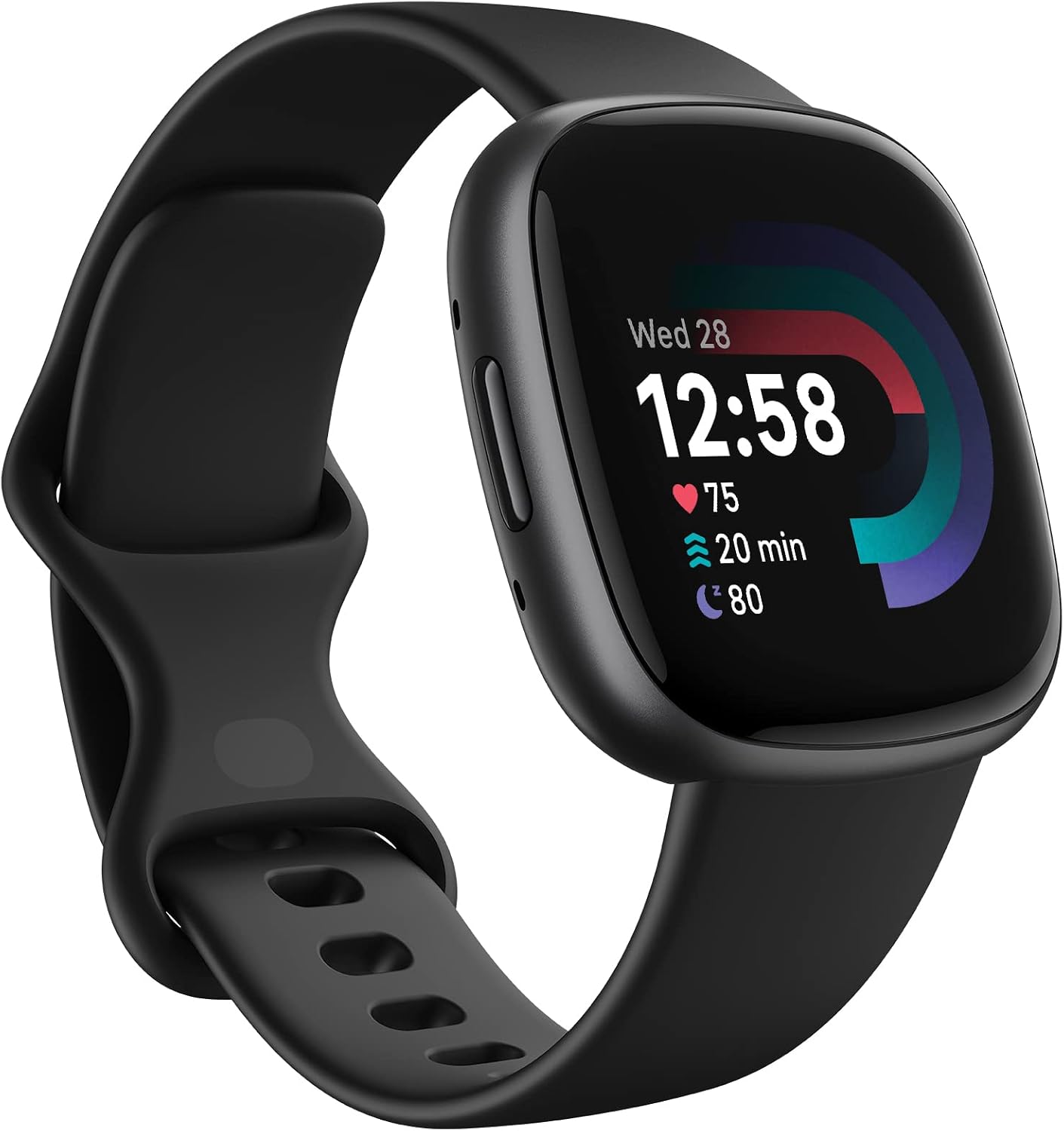
- The Google Fitbit Versa 4 (both models) promises 6+ days of battery life, with fast charging capabilities.
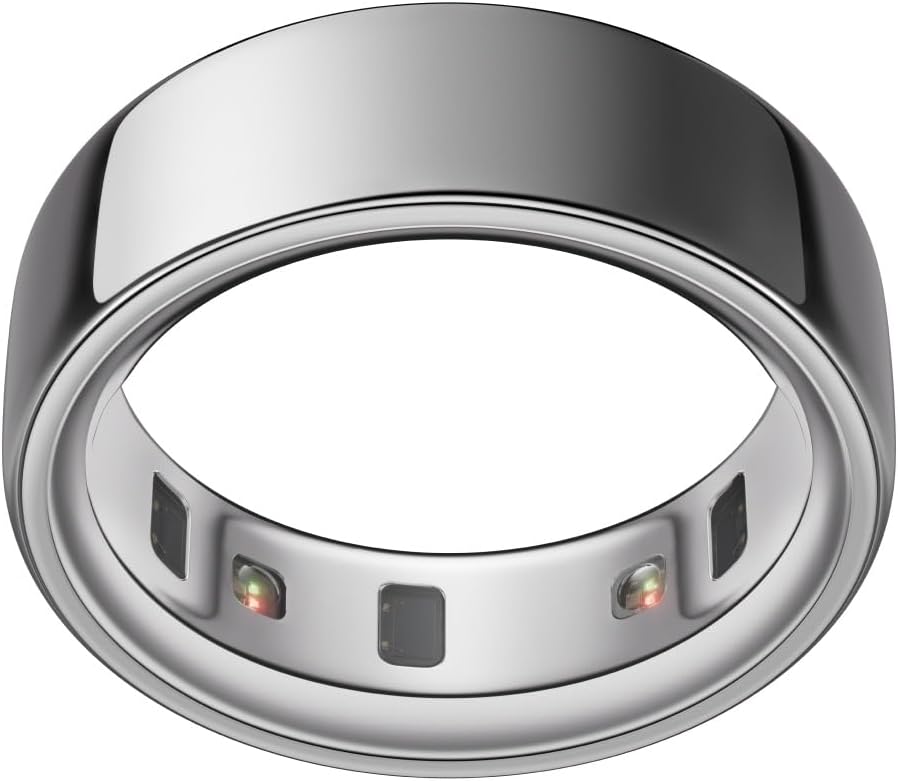
- Smart rings like the Oura Ring 4 models offer up to 8 days of battery life, with convenient wireless charging.
Health and Fitness Tracking Capabilities
The depth and breadth of health and fitness metrics tracked vary significantly. Consider what insights are most important to you.
- Comprehensive Fitness Features: Devices like the Google Fitbit Versa 4 and Fitbit Charge 6 offer features such as a Daily Readiness Score, built-in GPS, workout intensity maps, Active Zone Minutes, all-day activity tracking, 24/7 heart rate monitoring, and over 40 exercise modes with automatic exercise tracking.
- Advanced Sleep Tools: Look for detailed sleep analysis. The Fitbit Versa 4 models provide a personalized Sleep Profile, Daily Sleep Stages & Sleep Score, and a smart wake alarm. The Garmin Venu 3S and Garmin Forerunner 165 also offer sleep scores and personalized sleep coaching.
- Holistic Health Monitoring: Beyond fitness, many devices track broader wellness indicators. The Fitbit Versa 4 includes a daily Stress Management Score, SpO2 tracking, and guided breathing sessions. The Garmin Venu 3S and Garmin Forerunner 165 provide features like Body Battery energy monitoring, HRV status, and extensive health monitoring including wrist-based heart rate and stress tracking.
- Specialised Tracking: The Oura Ring 4 models focus on advanced health monitoring, including heart rate, sleep patterns, and activity tracking in a compact design.
Connectivity and Smart Features
How well does the wearable integrate with your smartphone and other services? This is where convenience meets functionality.
- Smartphone Compatibility: Ensure compatibility with your device. The Fitbit Versa 4 and Fitbit Charge 6 are compatible with iOS 15 or higher & Android OS 9.0 or higher. Garmin devices generally offer broad compatibility.
- Notifications and Communication: Many smartwatches allow you to receive calls, texts, and app notifications. The Garmin Venu 3S and Garmin Forerunner 165 allow for on-wrist calls and voice assistant use (with compatible smartphones), and Android users can reply to texts directly.
- Convenience Features: Look for added perks like contactless payments and music control. The Fitbit Charge 6 includes Google Wallet and Google Maps. The Garmin Forerunner 165 offers Garmin Pay contactless payments. The Garmin Venu 3S allows you to download music and playlists for phone-free listening.
Design and Durability
The physical design impacts comfort and suitability for different activities. Water resistance is a key feature for swimmers and those who exercise in the elements.
- Water Resistance: The Google Fitbit Versa 4 (both models) and Fitbit Charge 6 are water-resistant up to 50 meters, making them suitable for swimming.
- Form Factor: Devices range from traditional watch styles like the Garmin Venu 3S and Garmin Forerunner 165, to slimmer bands like the Fitbit Charge 6, and discreet rings like the Oura Ring 4 models.
- Display: The Garmin Forerunner 165 features a brilliant AMOLED touchscreen, while the Garmin Venu 3S also boasts a bright, colourful AMOLED display.
Price and Value
Wearable technology spans a wide price range, from capable fitness trackers to premium smartwatches. Understanding these tiers can help you find the best value for your budget.
- Entry-Level (approx. £127 - £140): At this price point, you can find excellent fitness trackers that cover the essentials. The Google Fitbit Versa 4 is available for £127, and the Fitbit Charge 6 is priced at £139. These devices offer robust fitness tracking, GPS, and good battery life. The Garmin Forerunner 165, at £141.97, presents a compelling option with advanced running features and a great deal score.
- Mid-Range (approx. £170 - £300): Stepping up, you gain more advanced features, premium materials, and often longer battery life. The Google Fitbit Versa 4 is also available at £170.99. The Oura Ring 4 models sit in this bracket, with prices around £286.73 to £290.83, offering a discreet, health-focused alternative in a ring form factor with up to 8 days of battery life.
- Premium (approx. £300+): This tier typically includes high-end smartwatches with the most comprehensive feature sets, premium build quality, and extensive customisation. The Garmin Venu 3S is priced at £303.35, offering a feature-rich experience with a vibrant AMOLED display and up to 10 days of battery life.
Common Mistakes to Avoid
Shoppers often make predictable errors when purchasing wearable technology. Being aware of these pitfalls can save you time and money.
- Overpaying for Unused Features: Don't be swayed by a long list of features if you won't use them. For example, if you don't run or cycle, a dedicated running smartwatch like the Garmin Forerunner 165 might be overkill, even though it's a great deal at £141.97.
- Ignoring Compatibility: Ensure the wearable works seamlessly with your smartphone's operating system. The Fitbit Versa 4 and Charge 6 require iOS 15+ or Android 9.0+, so check this against your phone.
- Underestimating Battery Life Needs: If you travel frequently or dislike daily charging, prioritize devices with longer battery life. The Garmin Forerunner 165 (up to 11 days) or Fitbit Charge 6 (7 days) might be better than a device needing daily charges.
- Focusing Solely on Price: While budget is important, the cheapest option isn't always the best value. Consider the longevity, features, and how well it meets your specific needs. A device like the Oura Ring 4 at £290.83 offers unique benefits for its price point if discreet health tracking is paramount.
How to Judge Quality
With so many options, understanding how to interpret user feedback and specifications is key to judging quality. We rely solely on the verified data provided.
- Aggregate Ratings: Look at the overall rating out of 5 stars. For instance, the Garmin Venu 3S has a strong rating of 4.6/5. The Garmin Forerunner 165 is close behind at 4.5/5. The Fitbit Versa 4 models consistently receive 4.4/5 ratings. The Oura Ring 4 models hold a 4.2/5 rating.
- Review Volume: A high rating is more meaningful when backed by a large number of reviews. This indicates consistent performance and satisfaction across many users. The Google Fitbit Versa 4 has garnered over 11,000 reviews for both models, suggesting widespread adoption and user experience. The Oura Ring 4 has thousands of reviews as well, with one model having 6,999 reviews. The Garmin Venu 3S has over 6,000 reviews, and the Garmin Forerunner 165 has over 5,400 reviews. The Fitbit Charge 6 has over 5,100 reviews.
- Specific Feature Mentions (Implicit): While we cannot access individual reviews, the 'Known Pros' sections highlight features users consistently value. For example, the long battery life and water resistance of the Fitbit Versa 4 and Charge 6 are repeatedly emphasized. Similarly, the advanced fitness insights for the Garmin watches are highlighted.
Real Options at a Glance
- Google Fitbit Versa 4 (£170.99): Best for a balanced fitness and smartwatch experience with long battery life.
- Google Fitbit Versa 4 (£127): Excellent value for a feature-rich fitness smartwatch.
- Oura Ring 4 (£290.83): Ideal for discreet, advanced health and sleep tracking in a comfortable ring form factor.
- Oura Ring 4 (£290.83): A premium choice for comprehensive wellness monitoring in a minimalist design.
- Oura Ring 4 (£286.73): Offers strong battery life and detailed health insights within a smart ring.
- Garmin Venu 3S (£303.35): A top-tier smartwatch for detailed health insights, music, and a vibrant display.
- Garmin Forerunner 165 (£141.97): A standout deal for runners seeking advanced training features and long battery life.
- Fitbit Charge 6 (£139): A great all-around activity tracker with smart features and good battery performance.