Introduction
Welcome to our comprehensive guide to choosing the right garage workshop equipment. Whether you're a seasoned DIY mechanic or just starting to tackle your own vehicle maintenance, having the correct tools can make all the difference. This category is essential for anyone looking to perform tasks like tyre changes, routine servicing, or even more involved repairs. Choosing carefully ensures not only efficiency but also safety. Investing in quality equipment means fewer frustrations and a more reliable outcome for your automotive projects.
Key Factors to Consider
When selecting garage workshop equipment, several key factors will dictate your satisfaction and the tool's suitability for your needs. Understanding these specifications will help you make an informed purchase.
Lifting Capacity and Range
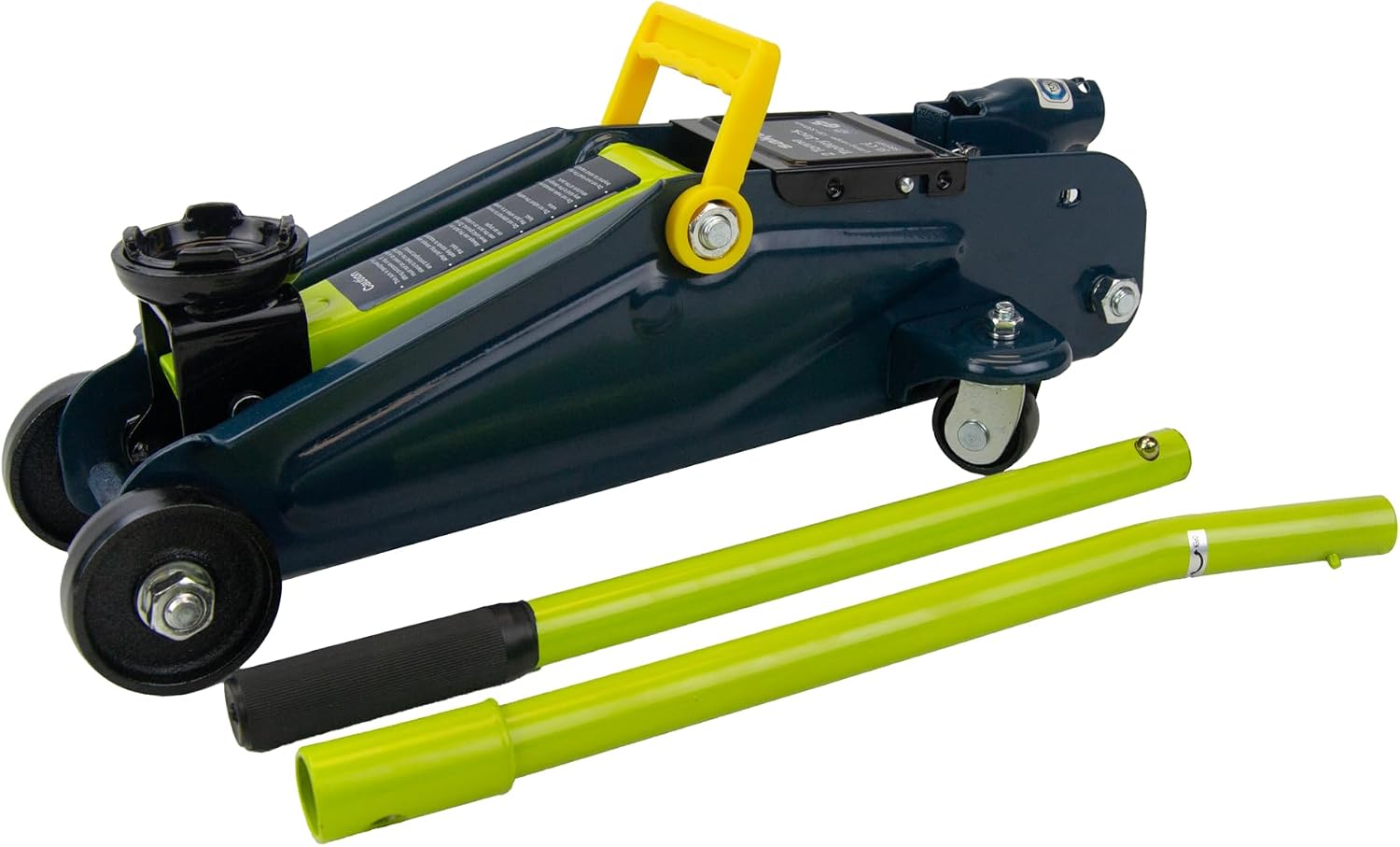
For jacks, the lifting capacity is paramount. It dictates the type and size of vehicles the jack can safely handle. For instance, the Sakura 2 Tonne Hydraulic Trolley Jack is designed for vehicles up to 2 tonnes, making it suitable for most cars, hatchbacks, and small SUVs. Its lifting range is specified as 135mm to 330mm.
If you require a higher capacity, the AMVIA Car Jack Kit offers a 3 Tonne (6,600 lbs) lifting capacity. This scissor jack kit has a broader lift operating distance, from 4.13 inches (10.5 cm) up to 17.32 inches (44.0 cm). Always match the jack's capacity to your vehicle's weight and your intended use.
Power and Charging Capabilities (for EV Chargers)
For electric vehicle (EV) owners, charging equipment is crucial. Charging cables come with varying specifications for power output and connectivity.
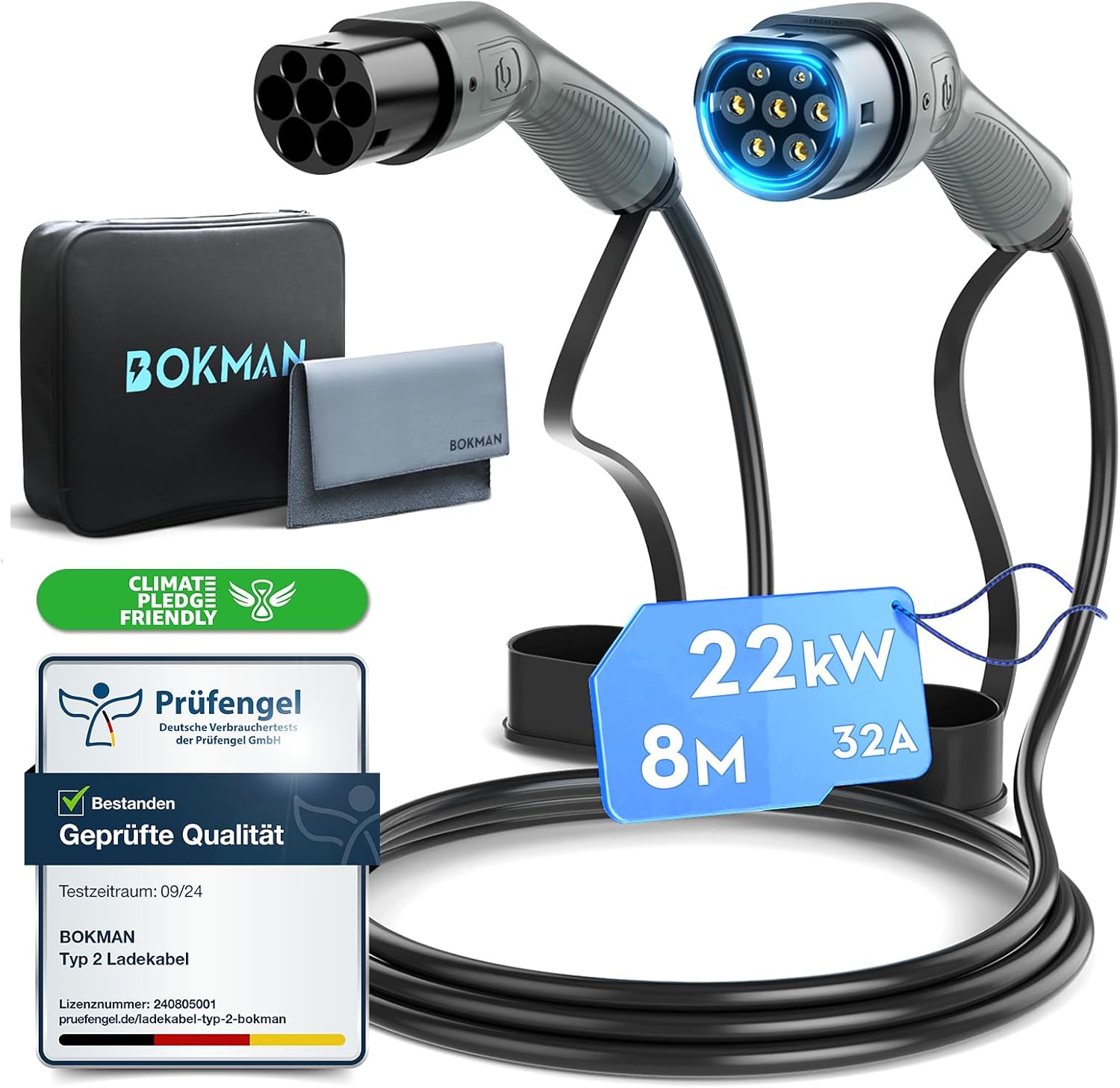
- Charging Speed: The bokman Type 2 EV Charging Cable offers 32A / 22KW fast charging, while others like the EzGoGo EV Charger Cable and VDLPOWEREU EV Charger Cable operate at 3kW. The Masterplug EV Charging Cables (both 5m and 15m) provide 2.4kW charging power.
- Adjustable Current: Several EV chargers allow you to adjust the charging current. The EzGoGo, VDLPOWEREU, and Vorsprung chargers all offer adjustable currents, typically ranging from 6A to 13A. This feature, as seen with the VDLPOWEREU, can help manage battery health by selecting appropriate currents.
- Cable Length: Cable length is a practical consideration. The bokman cable is 8 meters long. EzGoGo offers a 10-meter (32.81Ft) cable, while the Masterplug has options for 5 meters and a longer 15 meters. The Vorsprung model provides an 8-meter cable.
Durability and Construction
The materials and build quality of your equipment directly impact its lifespan and reliability. For jacks, durable steel construction is a key indicator of longevity, as seen with the Sakura trolley jack. Its heavy-duty steel frame is designed for strength and stability.
EV charging cables also benefit from robust construction. The EzGoGo cable features an ABS hard shell tested to withstand vehicle loads and drop tests, with a TPU charging cable that has undergone extensive bend tests. Similarly, the VDLPOWEREU charger uses a strong plug and copper core cable, and the Vorsprung cable is made of TPU, designed to remain flexible in cold weather.
Safety Features
Safety is non-negotiable. Jacks often include safety relief valves to prevent overloading, such as the one on the Sakura model. This protects both the user and the equipment.
EV chargers incorporate multiple safety protections. Common features include:
- Overvoltage and undervoltage protection
- Overcurrent and short circuit protection
- Overheating protection
- PEN fault protection (mentioned for Masterplug)
- IP ratings for water and dust resistance (e.g., IP65 for EzGoGo, VDLPOWEREU, and Vorsprung; IP66/IP55 for Masterplug)
These features are vital for safe operation, especially for outdoor charging.
Ease of Use and Portability
Consider how easy the equipment is to manoeuvre and store. Swivel castor wheels on the Sakura jack facilitate easy positioning. For EV chargers, features like ergonomic grips, tangle-free cables, and included carry cases (like the one with the Vorsprung charger) enhance user experience.
The AMVIA Car Jack Kit is described as a portable emergency kit, highlighting its ease of transport. Its smart mechanism claims to require 90% less effort for lifting and lug nut removal, making it user-friendly.
Price and Value
Garage workshop equipment spans a range of price points, and understanding what you get for your money is key to finding good value.
Under £50
In this bracket, you'll find essential, functional tools. The Sakura 2 Tonne Hydraulic Trolley Jack is priced at £39.99. It offers a solid 2-tonne lifting capacity and TUV/GS approval, making it a good option for basic car maintenance. Also at £39.99, the AMVIA Car Jack Kit provides a higher 3-tonne lifting capacity and includes a lug wrench, positioning itself as a versatile emergency kit.
£50 - £100
This tier often includes more specialised equipment or enhanced features. The VDLPOWEREU EV Charger Cable is available for £84.14. It offers 3kW charging, adjustable current (6-13A), and IP65 protection, representing good value for regular EV charging. The Masterplug EV Charging Cable (5 Metres) is priced at £83.32, offering 2.4kW charging, a 5m cable length, and similar safety features including an LCD display and weatherproof rating.
Over £100
Higher-priced items typically offer greater capacity, longer reach, faster charging, or more advanced features. The bokman Type 2 EV Charging Cable is listed at £129.99, boasting high-speed 22KW charging and an 8-meter length. The EzGoGo EV Charger Cable is also £129.99, featuring a 10-meter cable, an LCD display for monitoring, adjustable current, and robust build quality. The Vorsprung Portable EV Charger is priced at £134.96, offering an 8-meter cable, smart digital display with current control, and a free carry case. The longest option, the Masterplug EV Charging Cable (15 Metres), is the most expensive at £149.99, providing an extensive 15m reach and 2.4kW charging speed.
Common Mistakes to Avoid
When purchasing garage workshop equipment, several common pitfalls can lead to disappointment or unsafe practices.
- Ignoring Lifting Capacity: Purchasing a jack that cannot safely lift your vehicle is a critical error. Always check the maximum weight capacity against your car's kerb weight. The Sakura jack's 2-tonne capacity is suitable for many cars, but larger vehicles might require something like the AMVIA's 3-tonne rating.
- Overlooking Safety Certifications: For equipment like jacks and EV chargers, certifications like TUV/GS (Sakura) or CE, UKCA, ROHS (EzGoGo) indicate that the product has met specific safety and quality standards. Failing to check for these can mean compromising on safety.
- Incorrect EV Charger Type: Ensure the EV charger is compatible with your vehicle's charging port (Type 2 is common in the UK) and your home's power supply (e.g., 3-pin plug for portable chargers). Mismatching can render the charger useless or unsafe.
- Buying Based on Price Alone: While budget is important, the cheapest option might lack durability, safety features, or the necessary specifications. For example, a shorter EV cable might be cheaper but less convenient than a longer one like the 15m Masterplug option.
- Underestimating Cable Length Needs: For EV chargers, a cable that's too short can be a major inconvenience. Measure the distance from your parking spot to your power source before deciding. The 8m, 10m, or 15m options from various brands offer solutions for different needs.
How to Judge Quality
Assessing the quality of garage equipment often relies on a combination of stated specifications, brand reputation (where available), and customer feedback, particularly through ratings and review counts.
Ratings and Review Counts: Aggregate ratings provide a general sense of customer satisfaction. For example, the bokman EV charger has a high rating of 4.6/5. The Sakura jack also scores well at 4.5/5. These high scores, coupled with a significant number of reviews, suggest a reliable product.
Interpreting Review Data: When looking at reviews, consider the volume. A product with a 4.5/5 rating based on nearly 2,000 reviews, like the Sakura jack (1,996 reviews), is generally more indicative of consistent quality than a similar rating based on only a handful of reviews. The AMVIA jack, for instance, has a 4.4/5 rating from 750 reviews, which is still a substantial amount of feedback.
Specific Feature Feedback: While we don't have access to individual reviews, the aggregate data points towards strengths. High ratings across multiple EV chargers suggest that features like adjustable current, LCD displays, and robust build quality are appreciated by users. The TUV/GS approval for the Sakura jack is a concrete mark of quality assurance.
Real Options at a Glance
- Sakura 2 Tonne Hydraulic Trolley Jack (SS5191): Best for general car maintenance with TUV/GS approval.
- AMVIA Car Jack Kit: Best for higher lifting needs and emergency use with included tools.
- bokman Type 2 EV Charging Cable: Best for high-speed EV charging (22KW).
- EzGoGo EV Charger Cable: Best for long reach (10m) and adjustable charging with an LCD display.
- VDLPOWEREU EV Charger Cable: Best value for adjustable current EV charging.
- Masterplug EV Charging Cable (15 Metres): Best for maximum reach in EV charging.
- Masterplug EV Charging Cable (5 Metres): Best for a balance of features and shorter reach EV charging.
- Vorsprung Portable EV Charger: Best for flexible EV charging control with a digital screen and carry case.

![EzGoGo EV Charger Cable Type 2 to 3 Pin Plug 32.81Ft/10M Electric Car Charger 3kW, [6/8/10/13A] Type 2 Charging Cable 3 Pin EV Charger IP65 Advanced Protection Suitable for EVs & PHEVs](https://images-eu.ssl-images-amazon.com/images/I/71tVG7Qs82L._AC_SL1500.jpg)
![VDLPOWEREU EV Charger Cable Type 2 to 3 Pin Plug, Electric Car Charger 3kW, [6/8/10/13A] Type 2 Charging Cable 3 Pin EV Charger IP65 Advanced Protection Suitable for EVs & PHEVs](https://images-eu.ssl-images-amazon.com/images/I/71lTTZ7xNAL._AC_SL1500.jpg)