Introduction
Barebone PCs offer a flexible and often cost-effective way to build a computer tailored to your specific needs. Unlike fully assembled systems, barebone kits provide the core components, allowing you to add your own storage, memory, or even graphics cards. This approach is ideal for enthusiasts, tinkerers, or anyone looking to get more performance for their budget. However, with a variety of options available, understanding the key specifications and what truly matters can be a challenge. Choosing carefully ensures you get a system that meets your performance expectations without overspending or ending up with a machine that falls short.
This guide will walk you through the essential factors to consider when purchasing a barebone PC, using real products currently available to illustrate the points. We'll delve into specifications, pricing, and common pitfalls to help you make a considered purchase.
Key Factors to Consider
When evaluating barebone PCs, several core specifications will dictate the system's performance and capabilities. Focusing on these will help you narrow down your choices effectively.
Processor (SoC)
The processor is the brain of your computer. For barebone systems, you'll often see System on a Chip (SoC) designs, especially in smaller form factors. These integrate the CPU, GPU, and other components onto a single chip.
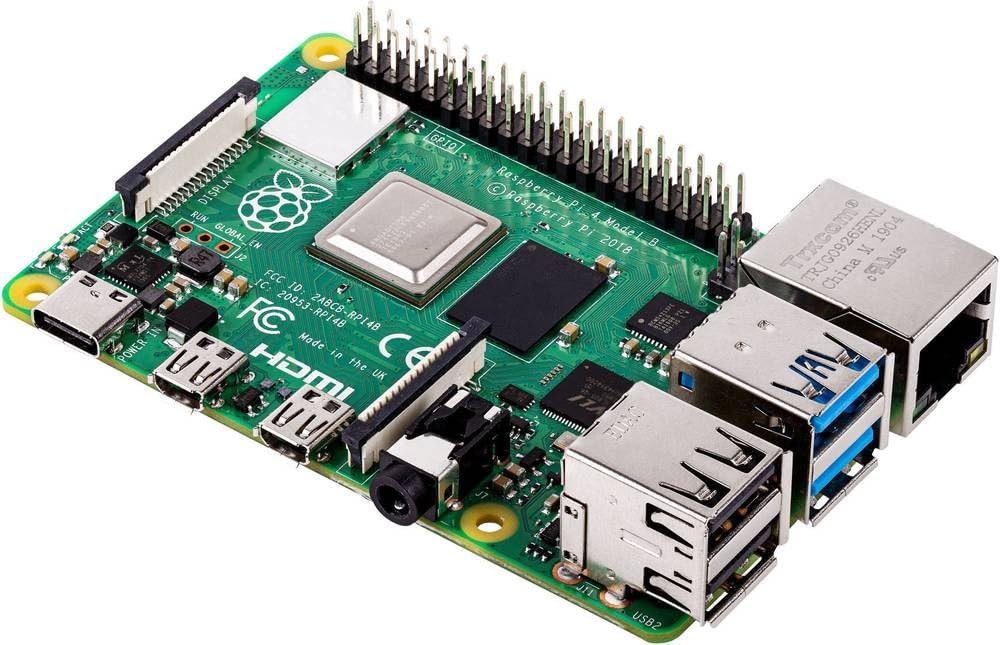
- The Raspberry Pi 4 Model B features a Broadcom BCM2711, Quad core Cortex-A72 (ARM v8) 64-bit SoC @ 1.5GHz. This is a capable processor for a wide range of tasks.
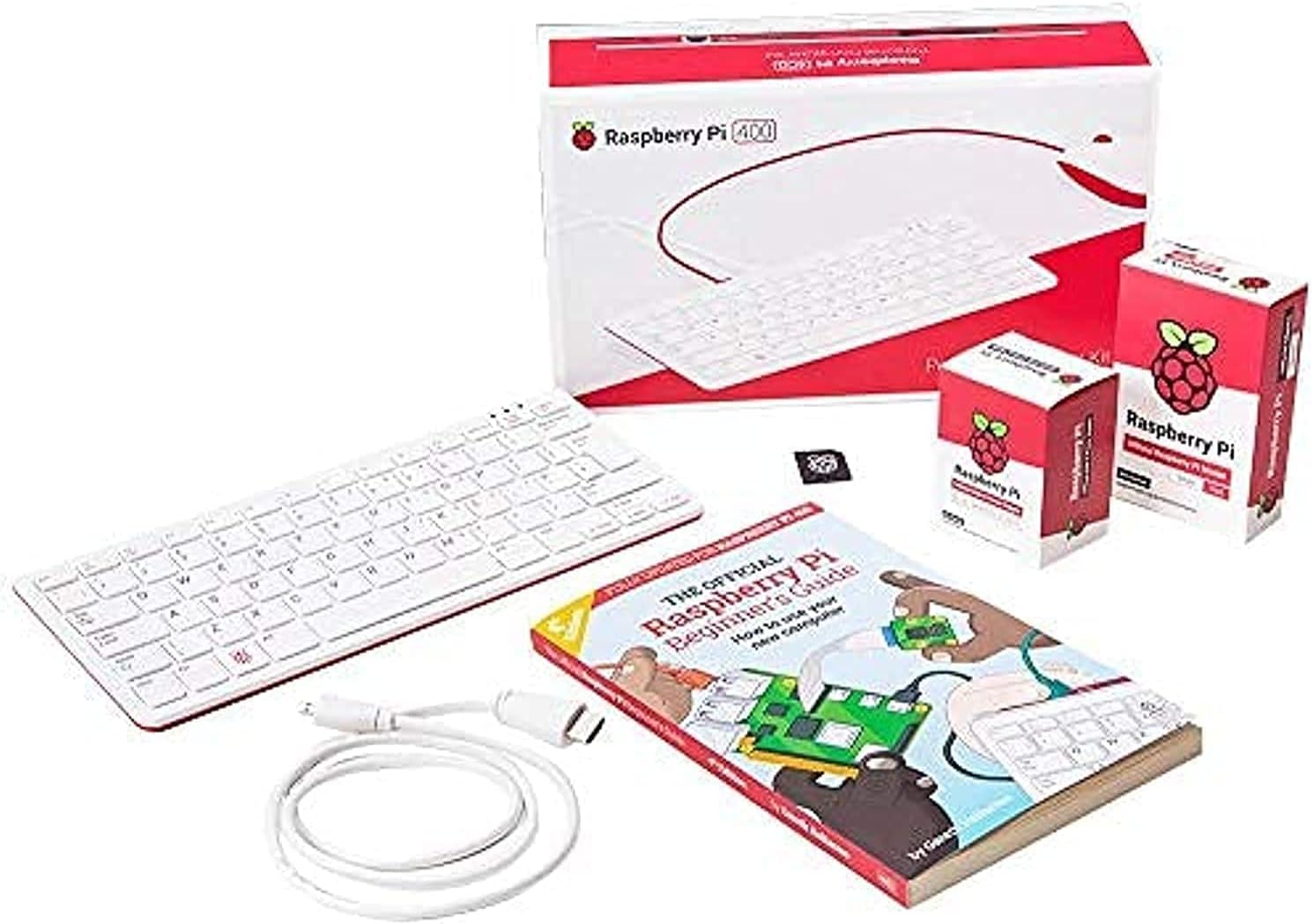
- The Raspberry Pi 400 Desktop Computer Kit also uses a Broadcom BCM2711, but clocked slightly higher at 1.8GHz, paired with 4GB of RAM.
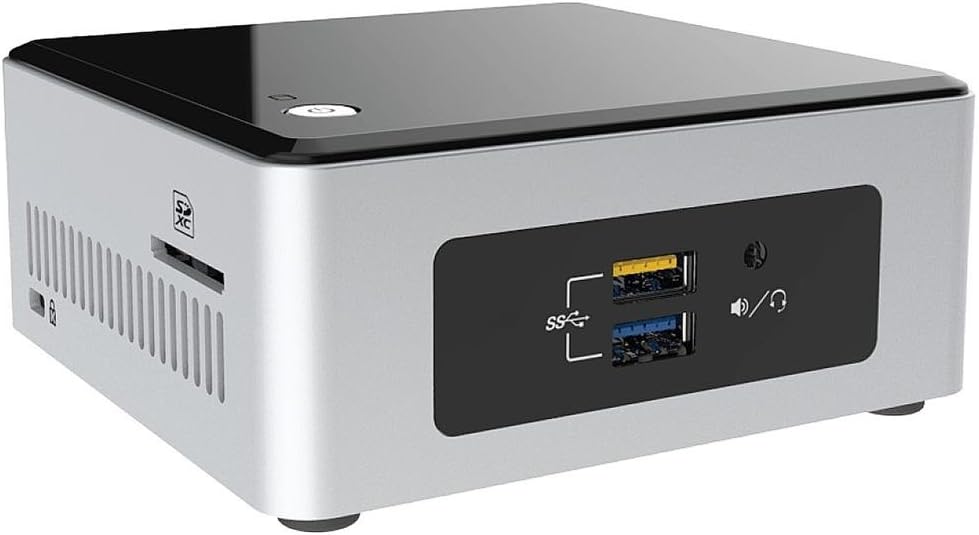
- The Intel NUC5CPYH is powered by a 1.60 Celeron Processor, indicating a different architectural approach compared to the Raspberry Pi models.
Memory (RAM)
RAM is crucial for multitasking and overall system responsiveness. The amount and type of RAM significantly impact performance.
- The Raspberry Pi 4 Model B is available in configurations with 1GB, 2GB, 4GB, or 8GB of LPDDR4-3200 SDRAM. More RAM generally means better performance for demanding applications.
- The Raspberry Pi 400 comes with 4GB LPDDR4-3200.
- The Intel NUC5CPYH specifies 8GB of HDD, which appears to be a typo in the provided data and likely refers to storage rather than RAM. It's essential to verify RAM specifications separately for such systems.
Connectivity (Networking & Ports)
How your barebone PC connects to networks and peripherals is vital for usability. Look for modern standards in both wired and wireless networking, as well as sufficient USB ports.
- Most Raspberry Pi models, such as the Raspberry Pi 4 Model B and Raspberry Pi 400, offer dual-band wireless (2.4 GHz and 5.0 GHz IEEE 802.11ac), Bluetooth 5.0, and Gigabit Ethernet.
- The Raspberry Pi 4 Model B includes 2 USB 3.0 ports and 2 USB 2.0 ports, providing good flexibility for peripherals. The Raspberry Pi 400 offers 2 × USB 3.0 and 1 × USB 2.0.
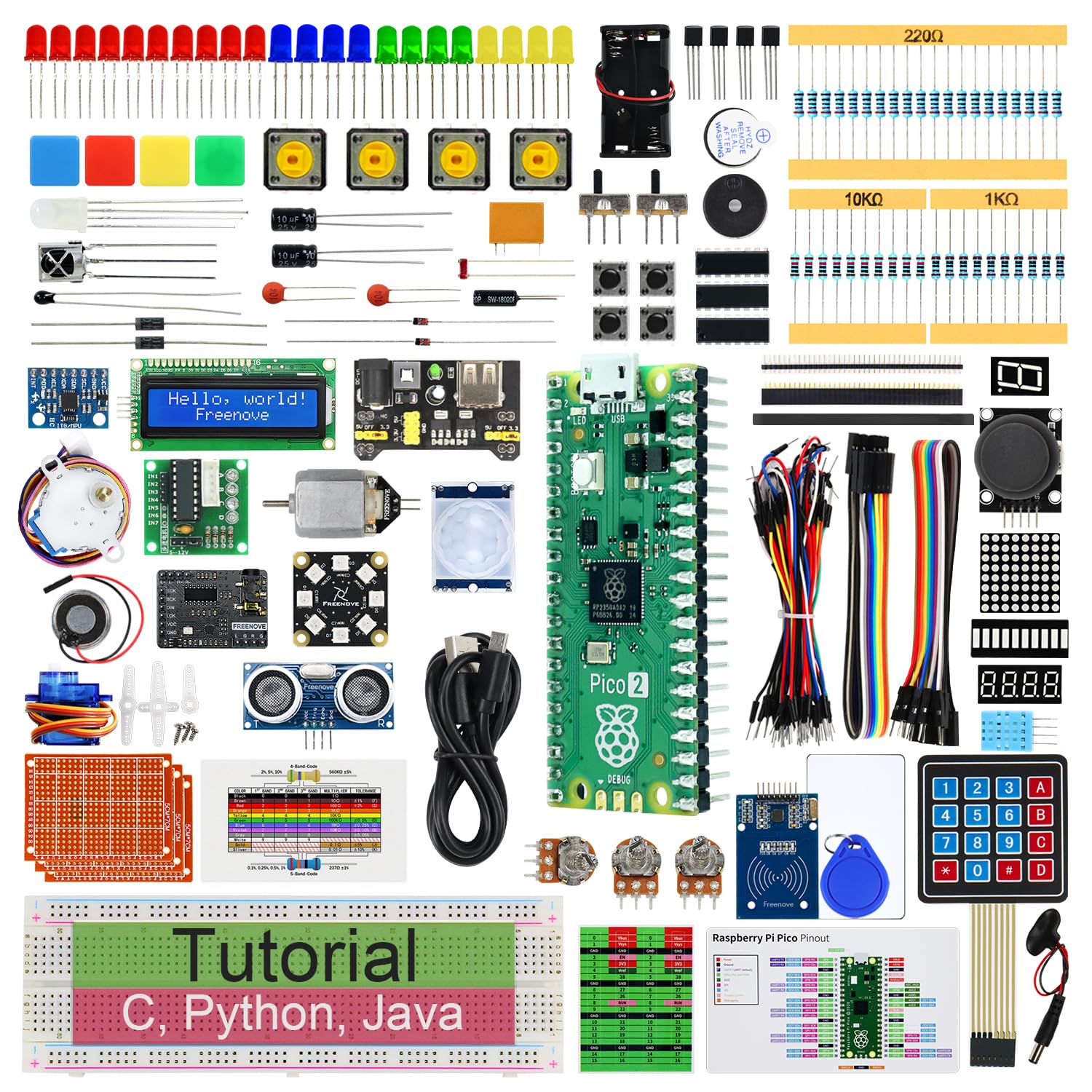
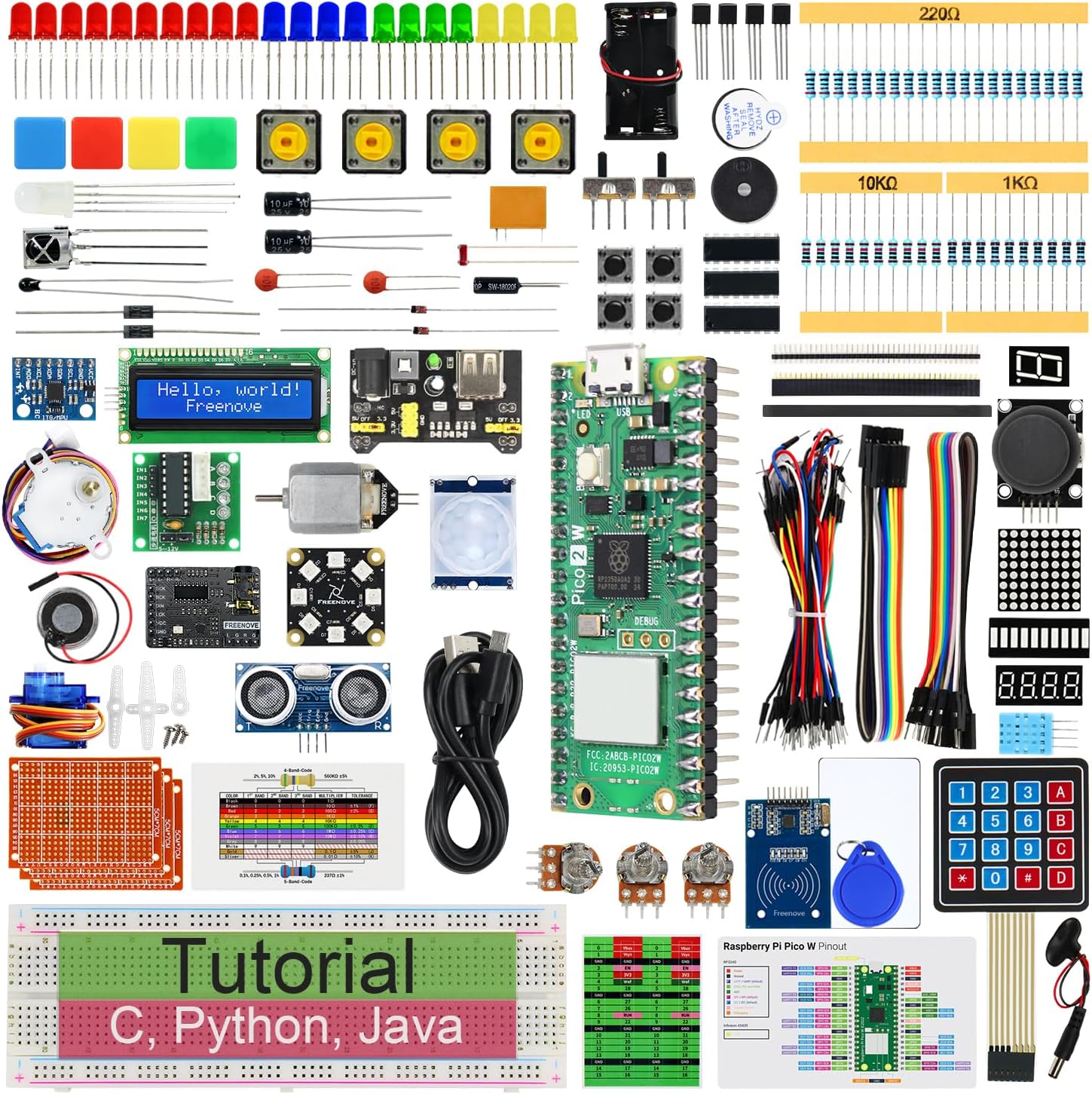
- The Freenove starter kits, like the Ultimate Starter Kit for Raspberry Pi Pico 2 and the Ultimate Starter Kit for Raspberry Pi Pico 2 W, focus on microcontroller development and include various components for projects, but their core connectivity is different from a full PC. The 'W' versions, such as the Pico 2 W kits, explicitly mention onboard wireless LAN and Bluetooth.
Graphics
For general computing and media playback, integrated graphics are often sufficient. For more demanding visual tasks or gaming, a dedicated graphics solution would be necessary, though this is less common in typical barebone PC kits.
- The Intel NUC5CPYH includes Intel HD Graphics, which is suitable for basic display output and light multimedia tasks.
- The Raspberry Pi 400 supports up to 4Kp60 output via its 2 × micro HDMI ports, indicating robust display capabilities for its class.
Expansion and GPIO
The concept of a barebone PC often implies some level of expandability. For hobbyists and developers, General Purpose Input/Output (GPIO) pins are a key feature.
- The Raspberry Pi 4 Model B and Raspberry Pi 400 both feature the standard Raspberry Pi 40-pin GPIO header, offering extensive compatibility with add-on boards and projects.
- The Freenove starter kits are explicitly designed around microcontrollers like the Raspberry Pi Pico, featuring numerous projects and components for learning and experimentation, rather than general PC expansion in the traditional sense.
Price & Value
Barebone PCs span a wide price range, and understanding what you get for your money is crucial. The prices here reflect current offerings and can fluctuate.
Budget-Friendly Options (Under £100)
In this price bracket, you'll typically find highly integrated, single-board computers or starter kits focused on specific applications like learning or embedded systems.
- The Raspberry Pi 4 Model B (1GB) is available for £72.65. This offers a versatile platform for projects and general computing, with various RAM options to consider.
- The Raspberry Pi 400 Desktop Computer Kit is priced at £84.17. This integrates the Pi into a keyboard, offering a more complete, out-of-the-box experience.
- The Freenove Ultimate Starter Kit for Raspberry Pi Pico 2 is £48.95, and the Freenove Super Starter Kit for Raspberry Pi Pico 2 W is £41.95. These are excellent value for those interested in microcontroller programming and electronics projects, providing a wealth of components and tutorials.
Mid-Range Options (£100 - £250)
Stepping into this range might offer more traditional PC architectures or higher-spec single-board computers. However, the provided data shows fewer options here for barebone PCs in the traditional sense.
- The Intel NUC5CPYH is priced at £225.27. This represents a more conventional mini-PC offering, though its specifications (Celeron processor, unspecified RAM beyond '8GB HDD' which is likely storage) suggest it's positioned for basic tasks rather than high performance.
- The Corsair NAUTILUS 240 RS LCD Liquid CPU Cooler (White) is listed at £72.09, but its original list price was £99.99, making its current price a good deal. It's important to note this is a CPU cooler, not a barebone PC itself, highlighting the importance of categorisation.
- The Corsair NAUTILUS 240 RS LCD Liquid CPU Cooler (Black) is £89. This is also a CPU cooler, not a barebone PC.
It's crucial to distinguish between barebone PCs and components like CPU coolers. The Intel NUC is the primary example of a more traditional barebone-style mini-PC in the mid-range based on the provided data.
Common Mistakes to Avoid
Shoppers can easily fall into common traps when purchasing barebone PCs. Being aware of these can save you time, money, and frustration.
- Ignoring RAM Requirements: Some barebone systems, like certain Raspberry Pi models, come with base RAM configurations (e.g., 1GB on the Raspberry Pi 4 Model B). If you plan on multitasking or running more demanding software, you'll need to ensure you select a model with adequate RAM (4GB or 8GB are often recommended for general use).
- Confusing Components with Systems: As seen with the Corsair NAUTILUS coolers, it's vital to ensure you are purchasing a complete barebone system and not just a component. A barebone PC needs additional components like storage and often RAM to function as a computer.
- Overlooking Connectivity Needs: Ensure the barebone PC has the ports and wireless capabilities you require. For example, if you need multiple USB 3.0 devices, check the port count. If you intend to connect to a modern Wi-Fi network, ensure it supports standards like 802.11ac.
- Underestimating Software Compatibility: While systems like the Raspberry Pi are highly versatile, they run on ARM architecture, which may have different software compatibility compared to traditional x86 PCs. Ensure the operating systems and applications you intend to use are supported.
- Focusing Solely on Price: A lower price doesn't always mean better value. Consider the specifications, intended use, and the overall package. For instance, the Freenove starter kits are inexpensive but are designed for learning electronics, not as general-purpose desktop replacements.
How to Judge Quality
Assessing the quality and reliability of a barebone PC can be done by carefully examining the provided ratings and review counts. These offer an aggregate view of customer satisfaction.
- Aggregate Ratings: Look for high average ratings. For example, the Raspberry Pi 4 Model B boasts a 4.7/5 rating, and the Raspberry Pi 400 also has a 4.7/5 rating. These high scores suggest a strong level of user satisfaction. The Intel NUC5CPYH has a 4/5 rating, which is respectable but indicates a slightly broader range of user experiences.
- Review Volume: A high number of reviews provides more statistical weight to the average rating. The Raspberry Pi 4 Model B has an impressive 2,541 reviews, giving its 4.7/5 rating significant credibility. Similarly, the Raspberry Pi 400, with 435 reviews, also indicates a well-established product. Products with fewer reviews, such as the Freenove kits (e.g., 180 reviews for the Super Starter Kit), might be newer or target a more niche audience, so their ratings should be considered within that context.
- Deal Scores: Some products are accompanied by a 'Deal Score' (e.g., 45/100 for the Raspberry Pi 4 Model B). While this is a proprietary metric, a higher score generally indicates a better value proposition at the given price point. The Corsair NAUTILUS 240 RS LCD Liquid CPU Cooler (White) scores a 65/100 (Great Deal), suggesting it's particularly well-priced for its features.
By combining these data points, you can form a more objective opinion about a product's perceived quality and value, even without direct access to individual user feedback.
Real Options at a Glance
Here's a quick look at the barebone PC options discussed, highlighting their primary strengths based on the provided data:
- Raspberry Pi 4 Model B (1GB): Best for versatile project building and general computing with expandable RAM options. (4.7/5 from 2,541 reviews, £72.65)
- Intel NUC5CPYH: Best for a compact, traditional mini-PC experience for basic tasks. (4/5 from 494 reviews, £225.27)
- Raspberry Pi 400 Desktop Computer Kit: Best for an integrated, user-friendly desktop experience with a keyboard. (4.7/5 from 435 reviews, £84.17)
- Freenove Ultimate Starter Kit for Raspberry Pi Pico 2: Best for learning electronics and microcontroller programming with extensive tutorials. (4.5/5 from 339 reviews, £48.95)
- Freenove Ultimate Starter Kit for Raspberry Pi Pico 2 W: Best for learning electronics with wireless capabilities included. (4.4/5 from 337 reviews, £53.95)
- Freenove Super Starter Kit for Raspberry Pi Pico 2 W: Best value for entry-level electronics learning with wireless. (4.4/5 from 180 reviews, £41.95)
- Corsair NAUTILUS 240 RS LCD Liquid CPU Cooler (Black): (Note: This is a CPU cooler, not a barebone PC) Offers stylish and quiet cooling. (4.6/5 from 320 reviews, £89)
- Corsair NAUTILUS 240 RS LCD Liquid CPU Cooler (White): (Note: This is a CPU cooler, not a barebone PC) Great deal on a visually appealing CPU cooler. (4.6/5 from 308 reviews, £72.09)